


One of the highlights of my career has been working with the enormously talented and incredibly generous Mark Kostich! He’s traveled the globe, and his work can be found in publications by National Geographic, Animal Planet, Discovery Channel, Smithsonian, American Museum of Natural History and more.
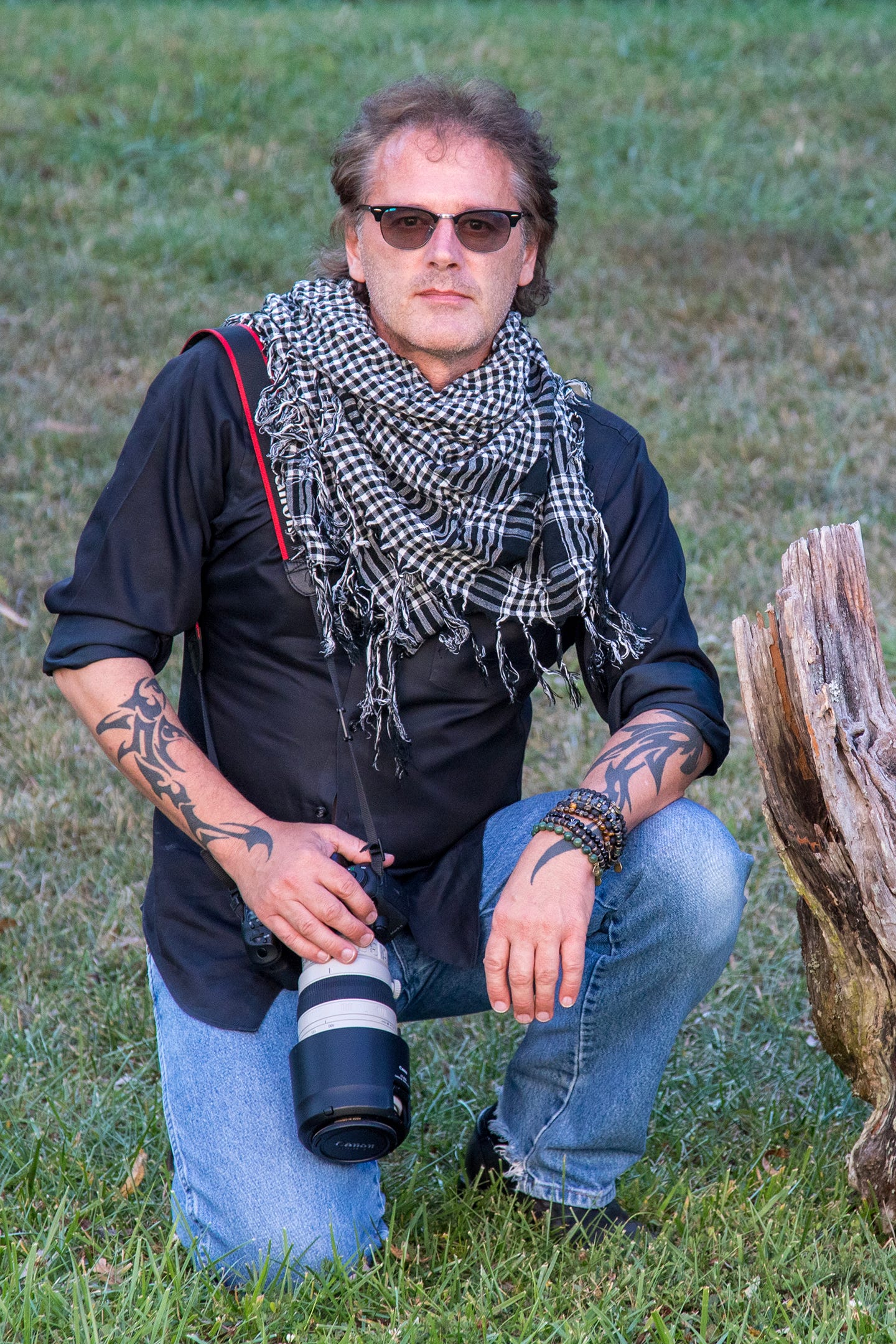
When I messaged Mark to share how much I loved his images, I was blown away by his response. That sparked a friendship and future book collaborations!
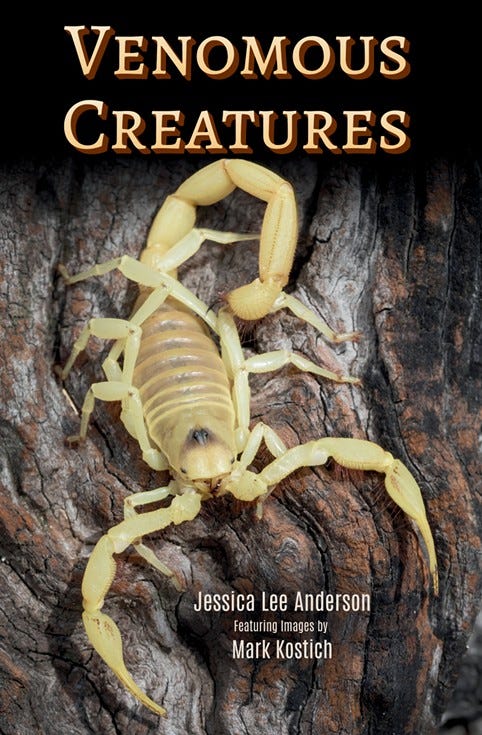
When Fangs! went out of print, I had several requests for a similar title which is what led the creation of Venomous Creatures, a fact book for young readers about venom and venomous creatures of all kinds. Many experts I greatly admire contributed to the book, and I’m honored that it also features Mark’s amazing photos!
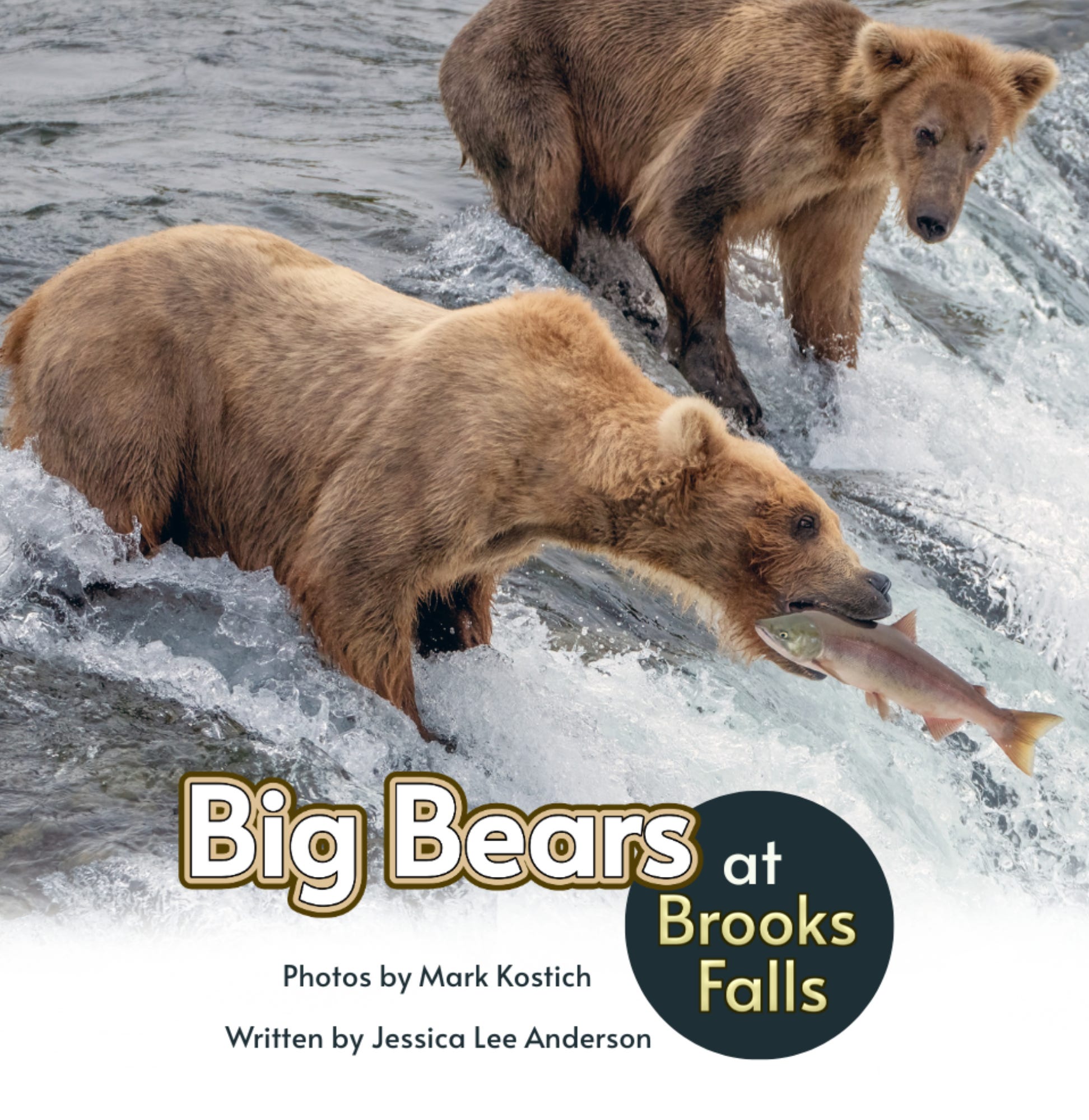
While I’d followed the bears at Katmai National Park & Preserve through Explore as a fan of Fat Bear Week, Mark brought them to life even more for me by sharing his adventures and behind-the-scenes moments. Working on Big Bears at Brooks Falls together was a dream come true! I’m so thankful that the book has been so well received like this amazing review from Colleen H.: (text in review: “A favorite! This is a great book! My daughter is a second-grade teacher, and she introduced the kids to the Brooks Falls bears during Fat Bear Week. I bought this book for her classroom library, and it is always “checked out” or in a student’s desk to read. They love it!”

Without further ado, I’m proud to feature Mark Kostich!
Jessica: What or who inspired you to become a photographer?
Mark: My inspiration comes in waves. It started when I was little from watching Jane Goodall (who I would meet much later). It carries on through people like Jeremy Wade, Shannon Wild, my father, and people I interact with. Inspiration is a very important component of my work.
Jessica: Why are you drawn to wildlife in particular?
Mark: I feel much more comfortable around animals.
Jessica: Can you please share what your creative process is like?
Mark: My creative process is usually broken down into 3 stages. Preproduction; The Shoot; & Post Production.
Example: This July I will travel to Katmai National Park to photograph the Brown Bears during the great salmon migration.
Preproduction: I am currently in the preproduction stage. This includes planning my trip which will include 4 flights to get in, and 4 flights to get out of my shooting location. It will also include deciding what equipment to take on this trip. I will take one camera and one lens, (I will have no time to change gear in the field. And, I will carry my gear everywhere and want to keep it light.) Next, I will study maps of the area to familiarize myself with the area. I will watch hours and hours of live bear cams to familiarize myself with the specific bears in the area and their characteristics. I will book a quick trip to test out my new gear; this time I chose Florida and I photographed alligators. Next, I will study successful shots from previous shoots and develop a shooting pattern plan. I will put presets into my camera for quicker access. For example, if I am photographing a bear cub in a tree, and then two bears behind me start fighting I will need completely different settings. A button on my camera will be pre-programed to change all of the settings. I will program half a dozen buttons with different settings on the camera. Then I must be able to access them all easily and quickly without having to look at my camera. This takes a ton of repetition. Much like Eddie Van Halen on guitar, I must be able to play my instrument fast and precisely without having to look at my hands or the camera. It all needs to be second nature.
The shoot: This is always a three-way balance between opportunity, circumstance and execution.
No photographer’s plan can anticipate all eventualities. There are always unexpected elements including those coming from the photographer’s own initiative. Oftentimes a photographic opportunity becomes a balance between plan and improvisation.
Post Production: This is usually selecting the best shots; evaluating technical merit vs aesthetical characteristics. Then properly identifying species or individual animals. Then turning the raw shots (similar to a digital negative) into a finished shot ready for publication.
Jessica: You’ve gone on such amazing adventures! What have been some of your most memorable experiences and why?
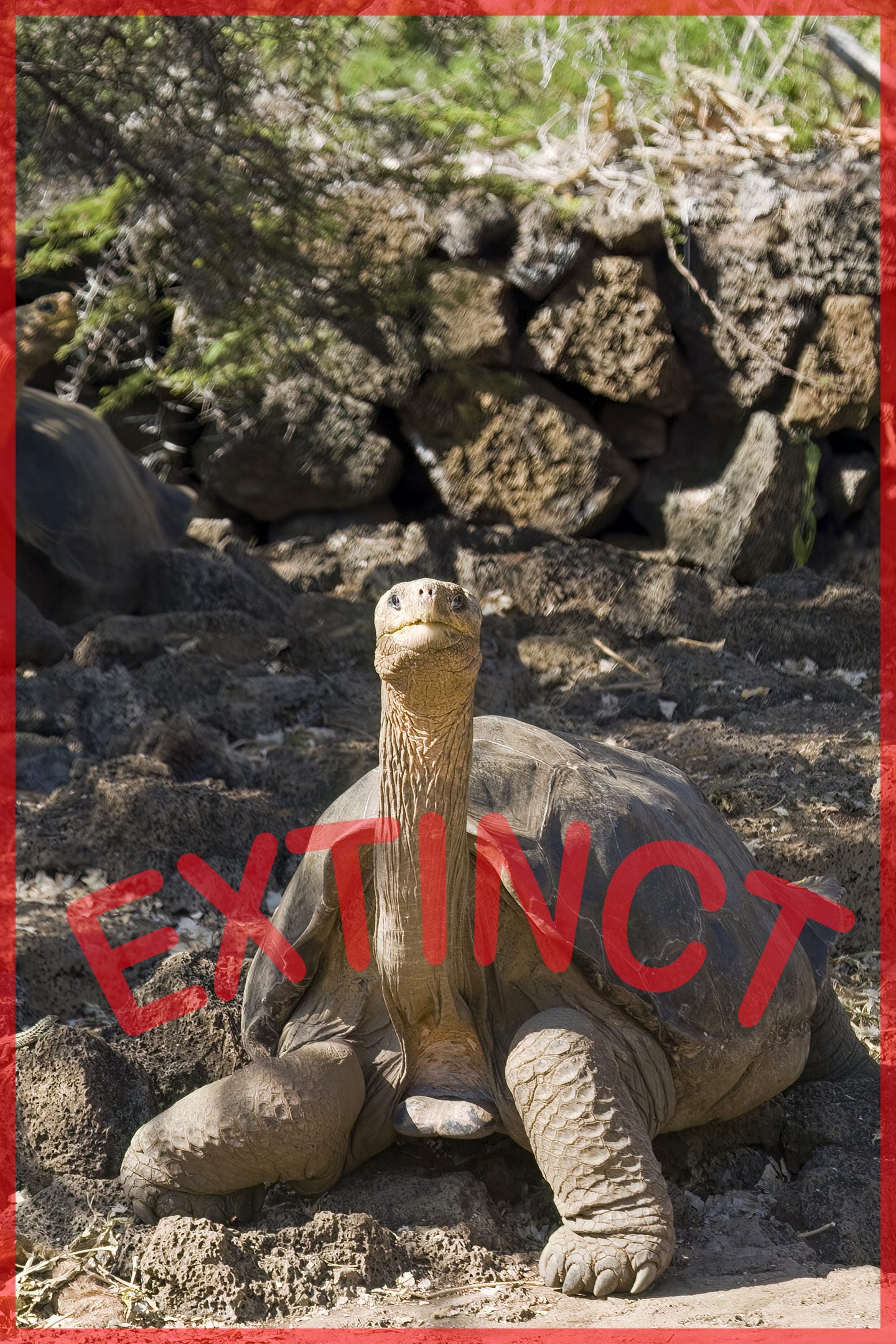
Mark: In 2006, I photographed Lonesome George; a male Pinta Island tortoise (Chelonoidis niger abingdonii). This male Pinta Island Tortoise (Galapagos Islands) was nicknamed “Lonesome George" because he was the last of his species. He died in 2012.
I photographed a Spotted Linsang (Prionodon pardicolor) in Lac Xo (Lak Sao), Laos many years ago. Some population counts estimate that there are 200 left in the wild.
I also photographed a “white” Water Buffalo (Bubalus bubalis). This is not a separate buffalo species but a Leucistic variation—a genetic change that creates a partial loss of pigmentation. The Leucistic variation is estimated to occur once in every 10 million births.
Jessica: What have been some highlights of your career?
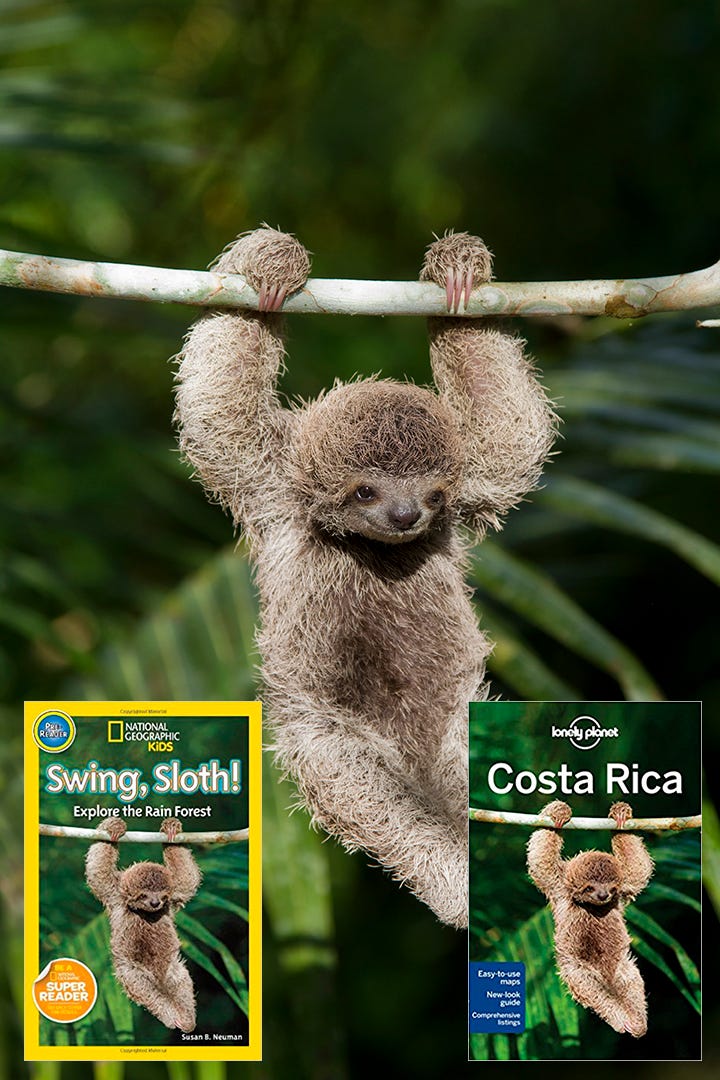
Mark: I photographed a baby brown throated three-toed sloth hanging from a branch in 2010. This image would get me my 1st Nat Geo publication front cover, a small reader for children.
The picture would go on to cover numerous books!
Jessica: Have there been any challenges you’ve had to overcome?
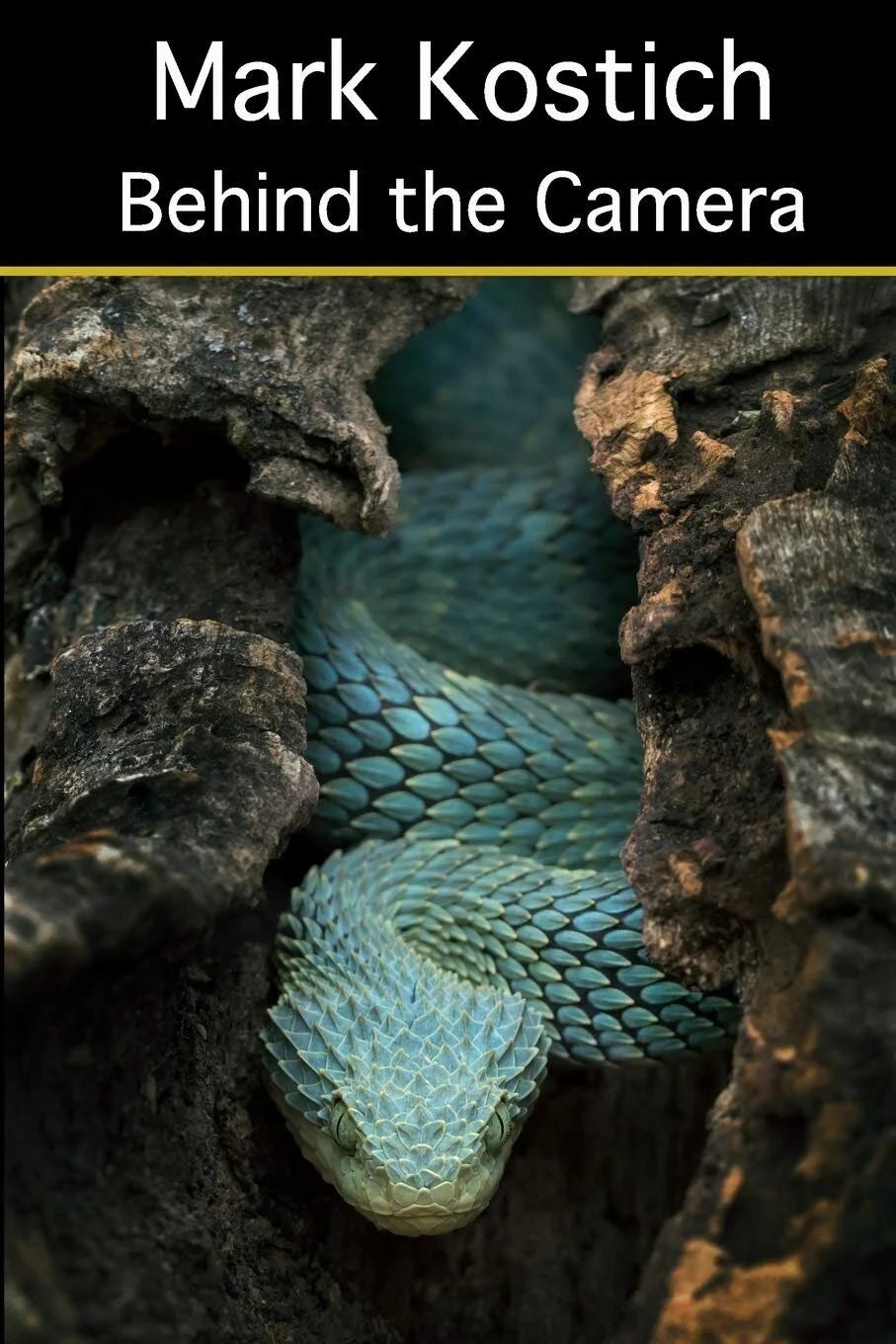
Mark: A failing heart, a broken heart, and chronic insomnia. A broken neck from a cougar, and a venomous bite from an African Bush Viper.
Jessica: Do you have any favorite photos you’ve taken, and why?
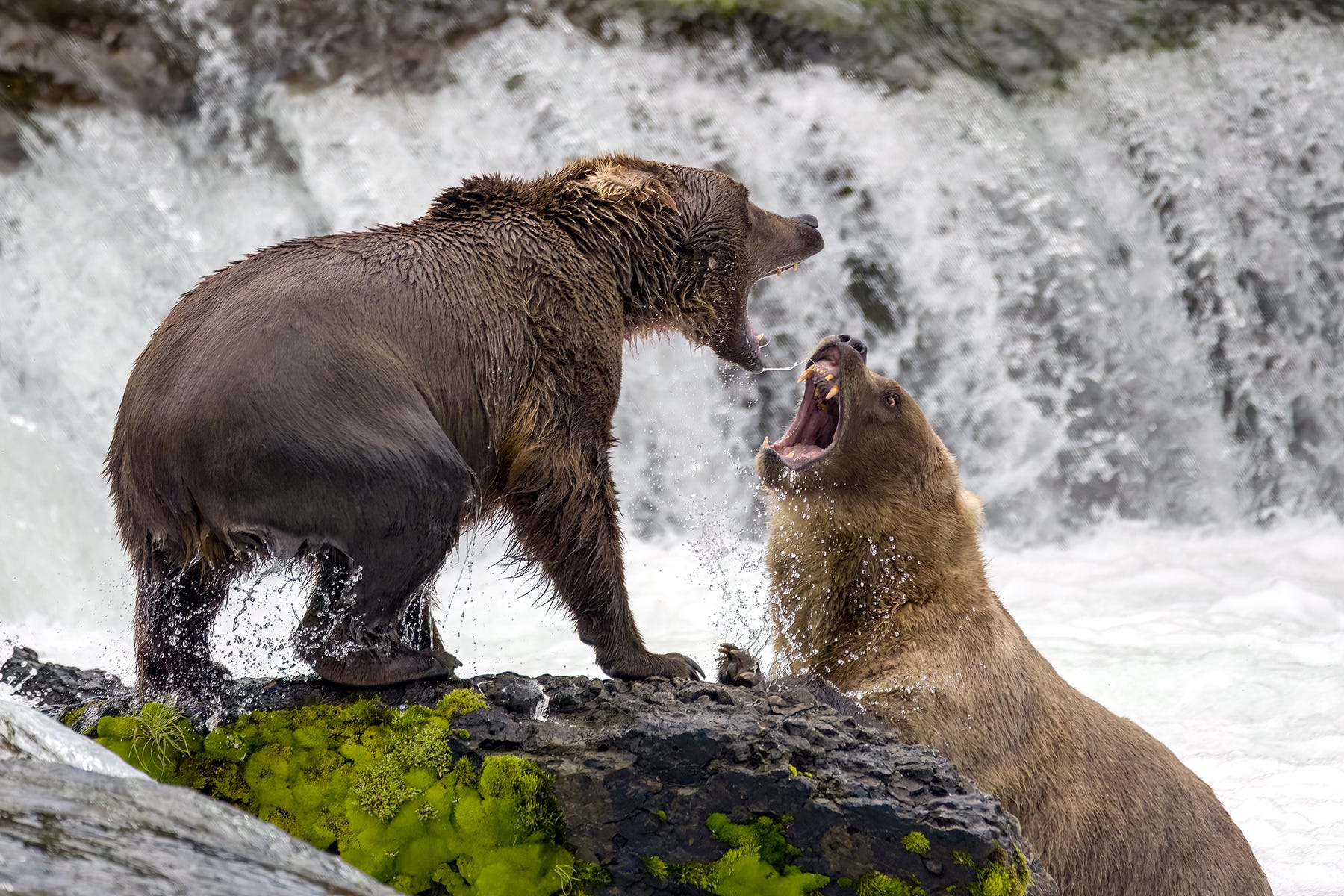
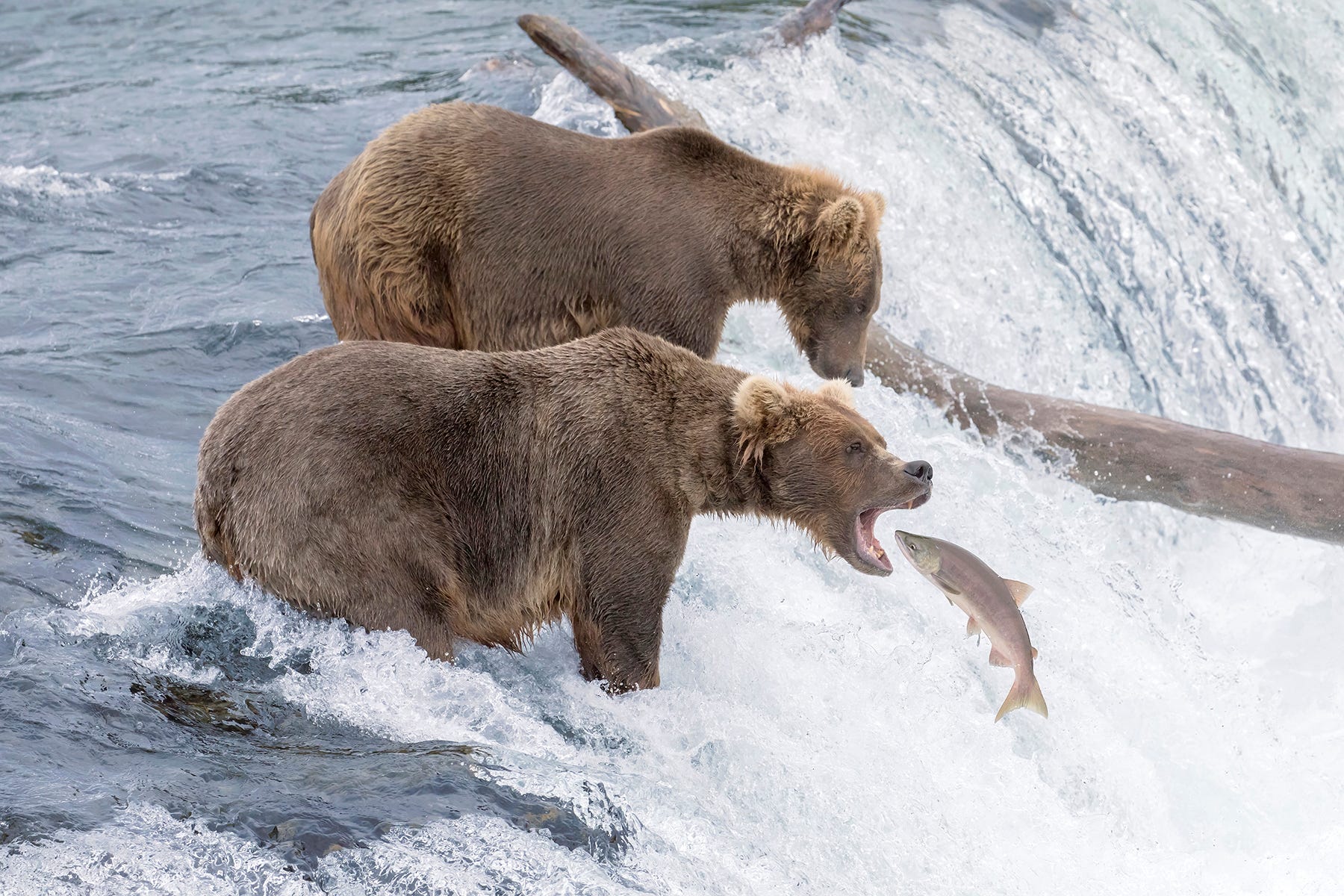
Mark: My favorite animal image would have to be a picture of a female brown bear catching a salmon at Brooks Falls. It is technically very tight and was taken at a time before “pre-capture.” It also took me 3 days and 5,000 attempts. It was also the last time this bear would ever be seen . . .
A close 2nd would have to be a Tapir shot that took me 10 years to achieve.
Jessica: For someone considering wildlife photography, what tips would you share?
Mark: Have strong ethics, and don’t compromise an animal's safety or your own for a shot. Always give back.
Jessica: Great advice and insights, Mark! Thank you so much sharing your time and talent. You truly amaze me!
Y’all, I highly recommend Mark’s book, Behind the Camera as it is such an engaging read as it details his adventures, cougar attack, and shares many behind-the-scenes moments!
You can follow Mark's adventures on his Instagram page at: https://www.instagram.com/mark_kostich_photography
Love this interview and the peek into all the preparation and work to create an incredible shot. Great photography too.
Love the behind-the-scenes peek at the world of professional wildlife photography! In middle school, that was my dream job.